
May 28, 2025
By Abdirahman Omar
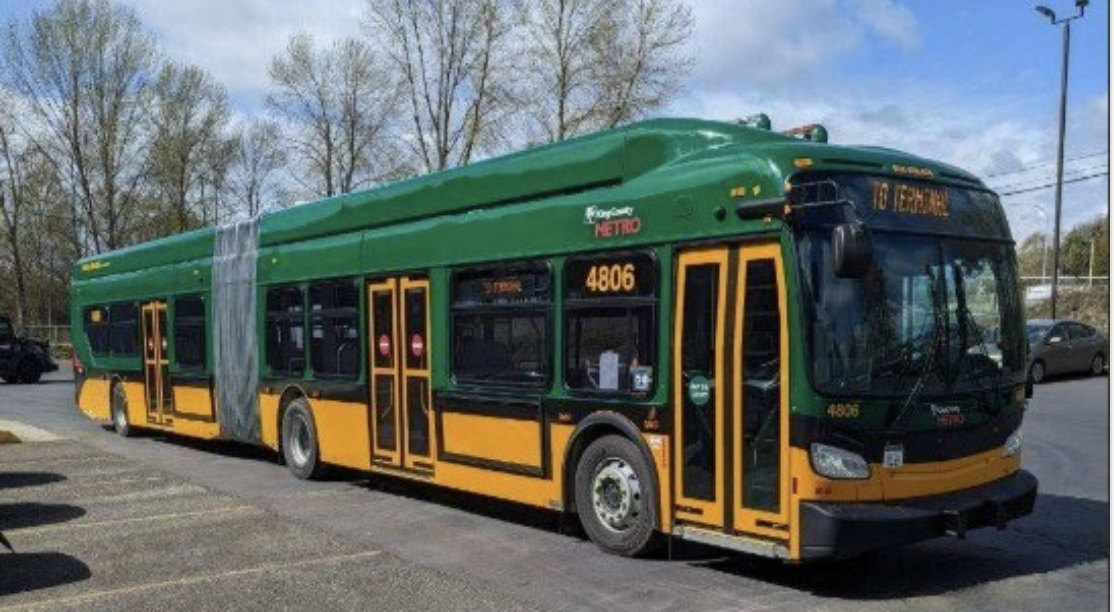
Starting May 31, 2025, King County Metro will resume fare enforcement on buses and streetcars, marking a significant shift in transit policy after years of reevaluation. Under this policy, Fare Enforcement Officers will begin issuing printed warnings and citations to riders who cannot provide proof of fare payment. Riders will be allowed two warnings without consequence, but a third violation could result in a fine or alternative resolution. Learn more here. King County Metro starts enforcing fares Saturday | king5.com
While fare enforcement may appear to be a routine administrative measure to ensure operational sustainability, for immigrant, refugee, and BIPOC (Black, Indigenous, and People of Color) communities, it raises deep concerns about equity, access, and disproportionate harm.
The Implication of Resuming Fare Enforcement
At the heart of this policy lies a larger question: Who gets left behind when public services prioritize compliance over compassion?
Resuming fare enforcement may create barriers to mobility for low-income communities, many of whom rely on public transit to get to work, school, health care, and social services. For immigrants and refugees, who often work multiple low-wage jobs and face language barriers or lack access to digital fare tools, even a minor infraction can escalate into a significant burden—financially and emotionally.
For undocumented immigrants, any interaction with a uniformed officer can cause distress, confusion, or fear, even if the officer is not a law enforcement agent. The potential for misunderstandings, especially with limited English proficiency, makes fare enforcement a gateway to further marginalization.
Historical Challenges and the Importance of Public Awareness
This is not the first time Metro’s fare enforcement approach has raised concerns. In past years, data revealed that fare enforcement disproportionately impacted BIPOC riders, particularly Black and Indigenous individuals. Previous enforcement strategies have been criticized for appearing punitive rather than educational or restorative.
Moreover, lack of public awareness about changes in fare enforcement can lead to unintended violations. If community members are not informed in languages they understand or through culturally relevant channels, they risk being penalized not due to willful misconduct but because of systemic communication failures.
This underscores the urgent need for accessible outreach, multilingual signage, and direct community engagement to ensure that all riders—not just the digitally connected or English-speaking—understand their rights and responsibilities.
How Will This Affect Our Communities?
- Economic Hardship: Fines, even if minimal, can cause stress for those living paycheck to paycheck.
- Distrust and Fear: Uniformed fare enforcement may trigger anxiety, particularly for those from countries where such uniforms represent oppressive regimes.
- Criminalization of Poverty: Although the goal may be accountability, the effect could be increased policing of poor and marginalized populations.
Are There Better Ways?
Yes—and some have already been assessed:
- Fare Ambassadors Over Enforcers: Metro has piloted programs with Fare Ambassadors who educate rather than penalize, providing resources and empathy over confrontation.
- Free or Reduced Fare Programs: Expansion of ORCA LIFT and subsidized fares can proactively reduce fare evasion by making fares more accessible.
- Community Transit Passes: Partnering with schools, community organizations, and employers to provide pre-paid transit passes ensures more people ride with confidence.
- Restorative Justice Models: Instead of fines, Metro can adopt a community service or education-based resolution system to address fare evasion with dignity.
A Call to Equity-Centered Implementation
As Metro moves forward with fare enforcement, it must do so with a commitment to racial and economic justice. That means investing in:
- Community-centered communication campaigns,
- Hiring culturally competent staff with trauma-informed training,
- Data transparency to monitor and report racial disparities,
- Ongoing engagement with immigrant, refugee, and BIPOC communities to adjust strategies accordingly.
Final Thoughts
Transit is more than a ride—it is a lifeline for many in King County. As fare enforcement returns, Metro must balance financial accountability with its duty to serve equitably. We urge Metro to prioritize education over punishment and to treat every rider with dignity, regardless of income, immigration status, or language proficiency.
Transportation equity means no one is left behind at the bus stop. Let us ensure that vision guides our policies—not just our promises.
If you are part of a community organization or rider advocacy group and would like to help raise awareness about these changes, or advocate for more just policies, reach out to King County Metro or local advocacy groups
#TransitEquity #KingCountyMetro #ImmigrantJustice #BIPOCVoices
 AFRICAN CENTER FOR EXCELLENCE